Spiritual Healing Through Tarot: A Quiet Conversation With Yourself
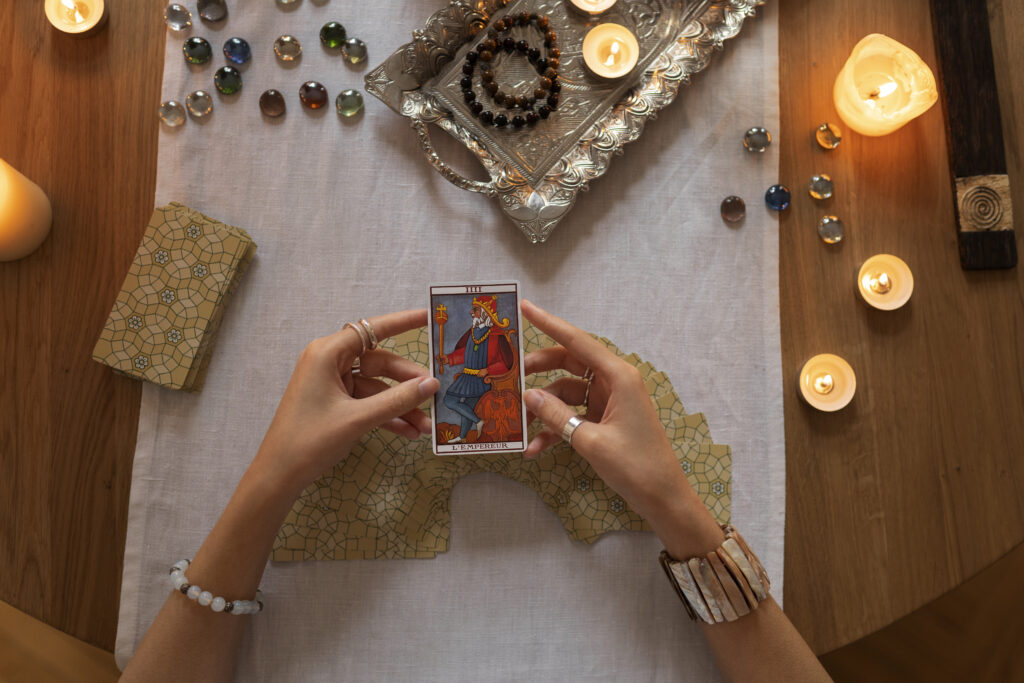
There’s something oddly comforting about laying out a few tarot cards on a quiet evening. No noise, no pressure—just you, your thoughts, and a set of symbols that somehow seem to understand more than they should.
That’s where spiritual healing comes in. Not as some dramatic, lightning-bolt moment of change, but as a slow, steady return to yourself. And tarot? It’s less about predicting the future and more about holding up a mirror—sometimes a brutally honest one.
You might be wondering, can a deck of cards really help you heal?
Honestly… yes. But not in the way you think.
So, What Is Spiritual Healing—Really?
Let me explain it simply.
Spiritual healing is the way of reconnecting with your inner self—the part of you that often gets buried under stress, expectations, and daily chaos. It’s not tied to one religion or belief system. It’s more like emotional clarity mixed with self-awareness, with a hint of something deeper you can’t quite explain.
Think of it like cleaning out a cluttered room. You don’t add anything new at first—you just remove what doesn’t belong.
Tarot fits into this process beautifully because it doesn’t tell you what to do. It nudges you. It asks questions you’ve been avoiding.
And sometimes, that’s exactly what healing looks like.
Tarot Isn’t Magic—But It Feels Like It Sometimes
Here’s the thing people get wrong: tarot isn’t about fortune-telling (at least, not in the way movies show it).
It’s a tool. A reflective one.
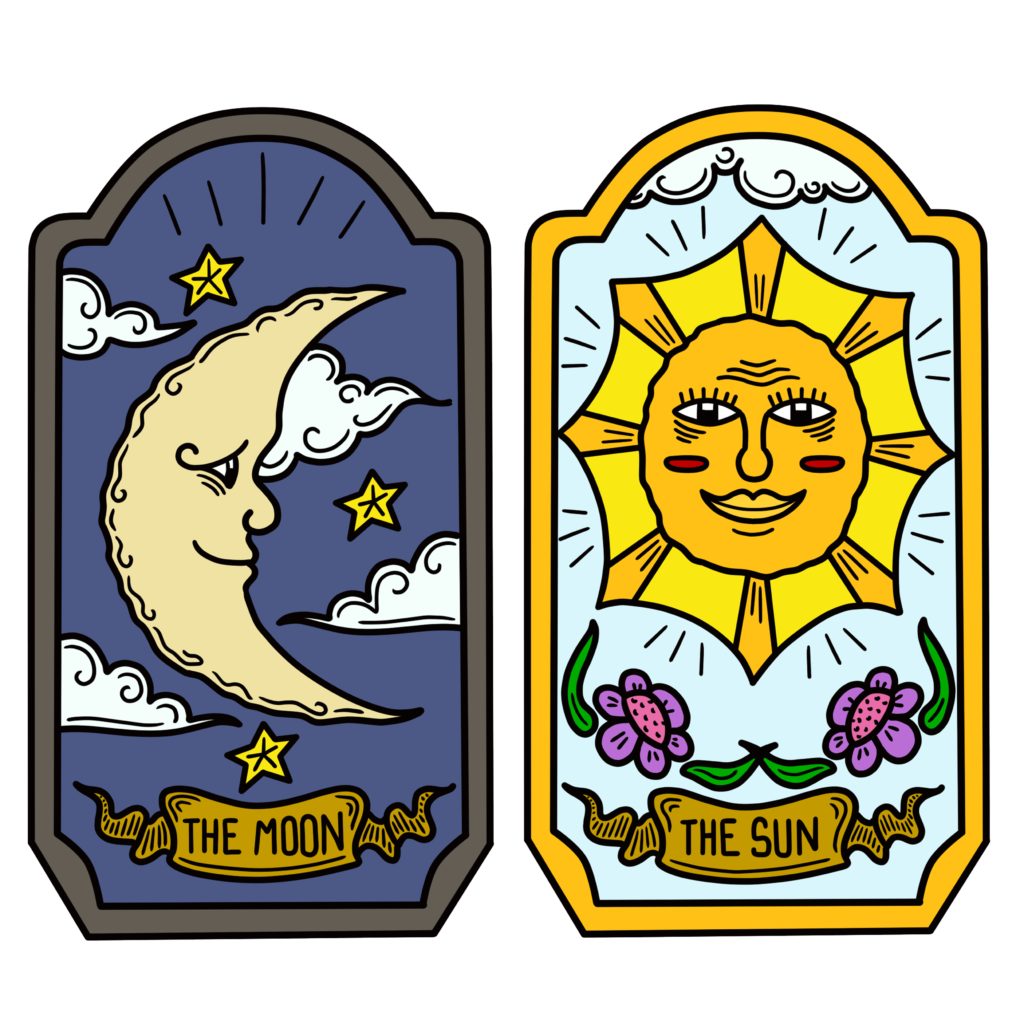
Each card—whether it’s The Fool, The Hermit, or The Tower—represents a state of mind, a phase, or a challenge. When you pull a card, your brain immediately starts making connections. Memories surface. Emotions shift. Patterns appear.
That’s spiritual healing in motion.
It’s a bit like talking to a really perceptive friend—except that friend is made of paper and symbolism.
And strangely enough, it works.
Why Tarot Works for Spiritual Healing (Even If You’re Skeptical)
You don’t have to “believe” in tarot for it to help you. That’s the surprising part.
Here’s why it works anyway:
- It slows you down (which most of us desperately need)
- It encourages reflection instead of reaction
- It helps you name emotions you couldn’t quite pin down
- It creates space for honesty—real honesty
You know what? Most people aren’t lacking answers. They’re just avoiding them.
Tarot has a way of gently cornering you into facing those answers.
And yes, that can feel uncomfortable. But discomfort is often where spiritual healing begins.
A Quick Detour: Why We’re All a Bit Spiritually Tired
This might sound like a tangent, but stay with me.
Between constant notifications, work pressure, and the endless scroll of social media (hello, doomscrolling), we rarely sit with our own thoughts anymore. Even five minutes of silence can feel… weird.
That disconnection builds up.
It shows up as burnout, confusion, or that vague feeling of “something’s off.” Not dramatic, just persistent.
That’s exactly where tools like tarot step in—not to fix everything overnight, but to help you pause. To notice.
And noticing is the first step in spiritual healing.
How Tarot Supports the Healing Process
Tarot doesn’t heal you directly. Let’s be clear about that.
Take your healing journey.
But tarot helps you:
1. Recognize Emotional Patterns
You start seeing cycles—same mistakes, same reactions, different situations.
2. Process Difficult Feelings
Instead of suppressing emotions, you sit with them. A card like the Three of Swords? It doesn’t let you ignore heartbreak.
3. Gain Perspective
Sometimes a situation feels overwhelming… until you step back and look at it symbolically.
4. Reconnect With Intuition
We all have it. Most of us just stopped listening.
Tarot brings that voice back into the conversation.
And slowly, quietly, spiritual healing begins to take shape.
Simple Tarot Practices for Spiritual Healing
You don’t need to be an expert. Honestly, the simpler, the better.
Here are a few ways to start:
Pull One Card a Day
Ask yourself: What do I need to understand today?
Sit with the answer. Don’t rush it.
Journal Your Readings
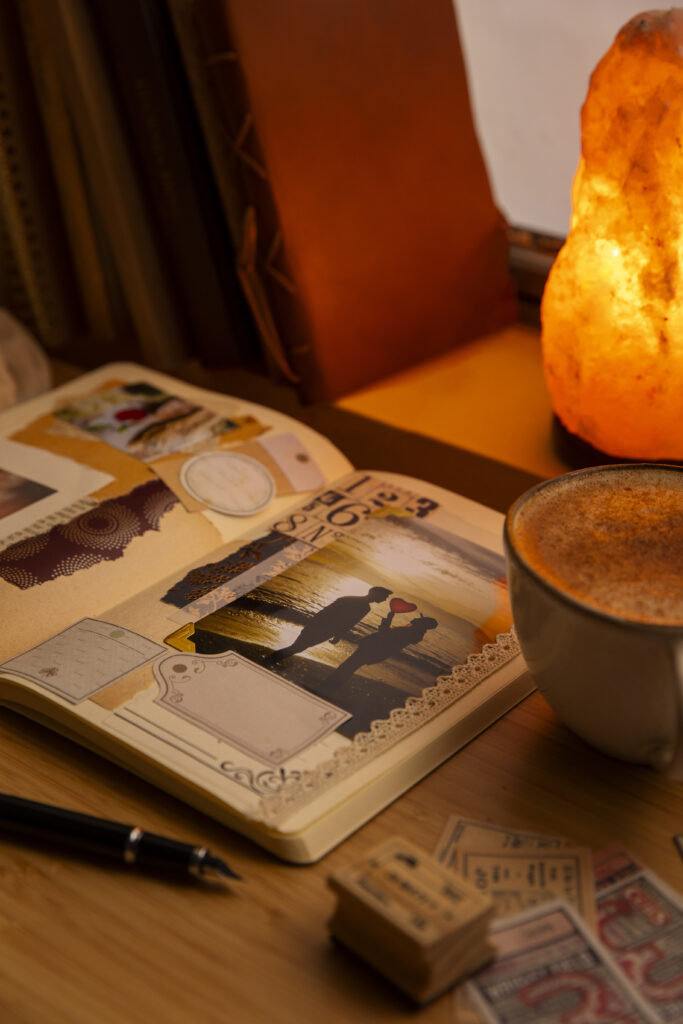
Write down what you feel—not just what the guidebook says.
Use Tarot for Reflection, Not Prediction
Shift your mindset from “What will happen?” to “What am I missing?”
Create a Quiet Ritual
Light a candle, play soft music—nothing fancy, just something that signals this time is for me.
These small habits build consistency. And consistency? That’s where spiritual healing really settles in.

The Emotional Benefits (They Sneak Up on You)
You might not notice it immediately.
But over time, something shifts.
You react less impulsively. You understand your triggers. You feel… steadier.
Some common changes people report:
- A sense of inner calm
- Better emotional control
- Clearer decision-making
- Reduced anxiety
- A stronger sense of purpose
It’s subtle at first. Then one day, you realize—you’re handling things differently.
That’s not coincidence. That’s spiritual healing doing its quiet work.
But Let’s Be Honest—Is This All “Real”?
Fair question.
There’s no hard scientific proof that tarot cards themselves have healing power. And that’s important to acknowledge.
But psychology does support reflection, journaling, and mindfulness—all of which tarot encourages.
So maybe the power isn’t in the cards.
Maybe it’s in the pause they create.
In the questions they raise.
In the honesty they demand.
And honestly, does it matter where the healing comes from—if it’s working?
Starting Your Journey (Without Overthinking It)
If you’re curious, start small. No need to buy the most expensive deck or memorize every meaning.
Just begin.
A few gentle tips:
- Pick a tarot deck you feel drawn to
- Don’t rely too heavily on guidebooks
- Trust your first interpretation
- Be patient with yourself
You might feel awkward at first. That’s normal.
Healing, especially spiritual healing, isn’t a straight path. It’s messy, uneven, sometimes frustrating—and still worth it.
A Final Thought—It’s Not About the Cards
Here’s the part people don’t say enough:
Tarot isn’t the healer.
You are.
The cards? They’re just a tool. A surprisingly insightful one, yes—but still just a tool.
What matters is your willingness to sit with yourself. To ask hard questions. To listen—really listen—to the answers that come up.
Because at the end of it all, spiritual healing isn’t about becoming someone new.
It’s about returning to who you were before everything got so loud.
And sometimes, all it takes is a quiet moment… and a single card turned over.
Frequently Asked Questions (FAQ)
1. Can tarot cards really help with spiritual healing?
Yes—but maybe not in the way you expect. Tarot doesn’t “heal” you directly or magically fix your problems. What it does is create space for reflection. It helps you slow down, notice your thoughts, and face emotions you might usually avoid. The healing comes from that awareness.
2. Do I need to believe in tarot for it to work?
Not at all. You can be completely skeptical and still benefit from it. Tarot works more like a psychological tool than a mystical one—it encourages introspection, which is valuable whether you believe in the symbolism or not.
3. Is tarot the same as fortune-telling?
No, and this is a common misconception. Tarot isn’t really about predicting the future. It’s more about understanding your present—your thoughts, feelings, patterns, and choices. Think of it as guidance, not a fixed script.
4. How often should I use tarot for healing?
There’s no strict rule. Some people pull a card daily, others only when they feel stuck or overwhelmed. What matters is consistency and intention—not frequency. Even a few quiet minutes with a card can be meaningful.
5. What if I don’t understand the cards?
That’s completely normal. You don’t need to memorize every meaning. Start with your first impression—what the image makes you feel or think. Over time, your understanding will grow naturally.
6. Can tarot replace therapy or professional help?
No, it shouldn’t. Tarot can support emotional awareness, but it’s not a substitute for professional mental health care. If you’re dealing with serious anxiety, depression, or trauma, it’s important to seek qualified help alongside any self-reflection practices.
7. Why do tarot readings sometimes feel so accurate?
Because they tap into your own thoughts and experiences. When you see a card, your mind starts making connections—often subconsciously. That sense of “accuracy” usually comes from recognizing something true within yourself.
8. What’s the best way to start using tarot for spiritual healing?
Keep it simple. Pull one card, ask yourself what it might mean for your current situation, and sit with it. You can write your thoughts down if it helps. No need for complex spreads or rituals in the beginning.
9. Can tarot help with anxiety or stress?
It can help you understand what’s behind those feelings. By giving you a moment to pause and reflect, tarot can reduce the constant mental noise. It won’t eliminate anxiety overnight, but it can make it easier to process.
10. What if I feel uncomfortable during a reading?
That can happen—and it’s not a bad sign. Discomfort often means something real is coming up. You don’t have to push through it immediately. Take a break, reflect later, and go at your own pace.
11. Do I need a special ritual or setup?
No. You can keep it as simple or as intentional as you like. Some people enjoy lighting a candle or creating a quiet space, while others just shuffle and pull a card on their bed. The key is making it feel like your time.
12. Is spiritual healing supposed to feel slow?
Yes. In fact, it usually is. Real change doesn’t happen overnight. It builds gradually—through small moments of honesty, awareness, and reflection. Tarot just helps you stay connected to that process.